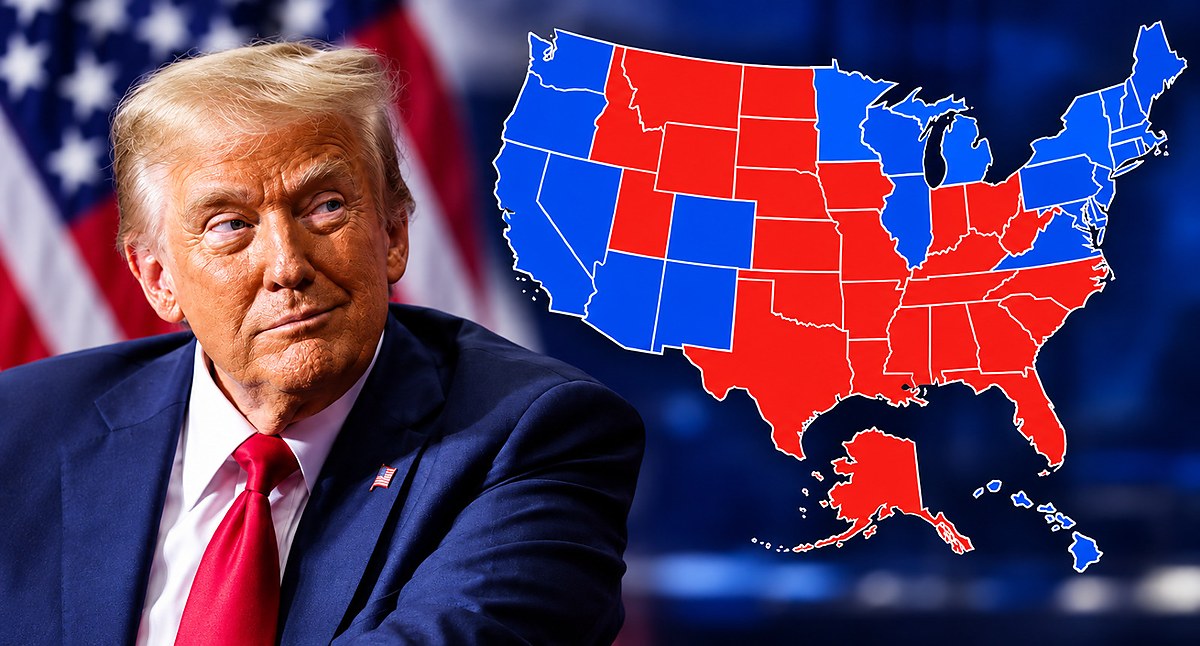
Republican candidates in key races that will determine whether the party maintains
control of the U. S. Senate have taken the lead over their Democratic opponents just days before the Nov. 3 midterm elections. New polls show Republican candidates with narrow leads in Texas, Kansas, Iowa and one recent survey each in Ohio and Michigan. The latest numbers underscore how small changes in polling could determine which party controls a chamber that Republicans hold 53-47.
One of the most significant developments came in Texas, where an InsiderAdvantage poll showed Republican Ken Paxton leading Democrat James Talarico 49% to 48% among 1,200 likely voters, with a margin of error of 2. 8 points. That was a big shift from a string of recent Texas polls that had shown Talarico ahead, including
surveys by Marist, Siena, YouGov and the University of Texas, although the RealClearPolitics average still has Talarico leading 48. 5% to 46. 3%. A later CBS News poll showed Talarico leading 51% to 49%, highlighting the closeness of the Texas race and the fact that polls are showing different leaders.
And in Kansas , the latest InsiderAdvantage survey gave a solid result
for Republicans, with incumbent Republican Sen. Roger Marshall leading Democrat Adam Hamilton 48%-47%.
That one-point edge put Marshall narrowly ahead in the RealClearPolitics polling average, 46% to 45. 7%, after earlier surveys had gone back and forth between Marshall and Hamilton. More than nine decades have passed since Kansas voters last elected a Democratic senator, so the competitiveness of the race is one of the more surprising storylines
of the 2026 campaign. Republicans are trying to shore up support in a state Trump won by about 16 percentage points in 2020, and President Donald Trump was headed to Kansas to campaign for Marshall. The Tyson Group polling firm said in a news release, “Mike Rogers pulled slightly ahead in Michigan’s U. S. Senate
race.”
“In our most recent survey, Republican Mike Rogers leads Democrat Abdul El-Sayed 46%-44%. “Rogers is up three points since our last statewide Michigan poll,” the release said.
Iowa, too, is producing fresh signs of Republican strength. A series of
recent polls have shown GOP Rep. Ashley Hinson with a narrow lead over Democrat Josh Turek in the race for the seat being vacated by retiring Republican Sen. Joni Ernst. A co/efficient poll on October 19 showed Hinson leading Turek 48% to 45%, while a Trafalgar Group survey from October 13-15 showed Hinson ahead 45. 9% to 44. 2%.
Earlier this month an Emerson College survey also had Hinson leading 47% to 45%. Polling from CNN had her up 45% to 43%.
Recent results from Marist and YouGov have shown Turek slightly ahead. The mixed Iowa polling highlights the volatility of the race, but the latest co/efficient and Trafalgar surveys both show the Republican candidate with the lead after Democrats had cited earlier polls as proof they could flip the seat. Republicans have also had some good
numbers in Ohio, where Rasmussen Reports found incumbent GOP Sen. Jon Husted leading former Democratic Sen. Sherrod Brown 49%-47% in a recent poll. A separate ActiVote survey released Oct. 18 showed an even tighter Husted advantage of 50. 2% to 49. 8% while co/efficient had the Republican up one point previously.
Other Ohio polling, however, still looks better for Brown, including a new
Marist survey released Tuesday that has the Democrat up four points, and the RealClearPolitics average now has Brown leading 47. 4% to 44. 6%. Maine is another closely watched battleground, though the latest polling does not show Republican Sen. Susan Collins in the lead, with InsiderAdvantage, Suffolk University and Rasmussen each recently finding Democrat Troy Jackson ahead 49%-47%.
The RealClearPolitics average has Jackson up just 1. 6 points, and an earlier co/efficient survey had Collins up by two, keeping the veteran Republican within striking distance in a state where she has outperformed pre-election polling before. Fox News anchor Bret Baier noted the uncertainty Sunday, saying Republicans could end up with a 52-48 Senate
majority if GOP candidates overperform current polling averages by margins similar to polling misses in past elections.